With Dr Shaykh Safaruk & Mufti Moinul | 10 Weeks | Onsite & Online | Starts 31st January 2026
A Course By The Ummatica Department Of The Quran Institute
The Ummatica Department plays a pivotal role in the Quran Institute's overall vision. It bridges the gap between Islamic Studies and the Occidentology departments by addressing how Islam engages with modernity, i.e., immense fundamental changes in states, societies, families, and science and technology.
The Ummatica Department is being led by Dr Safaruk, an established academic within numerous fields of the Islamic sciences, ranging from Political Philosophy to theology. A complete curriculum will be released on our main page in the near future.
Our modular approach that constitutes the Ummatica Diploma is designed to facilitate thinkers in developing solutions for humanity on an Islamic philosophical basis, transitioning from a problem-based mentality that often spirals into narratives that limit us to apolitical spiritual introspection, devoid of any far-reaching vision and activism.
Ummatica cross-examines revival with a positive, outward-looking framework to procure a solely Islamic solution for humanity. We aim to explore contemporary discourses on the concept of Ummah and on how traditional sources discuss the repositioning of the Ummah as a leading light of justice and peace for humanity.
Course Information
Over the centuries, many collections of hadith have been compiled with the intention of reminding Muslims of Allah's ahkam so they can apply them in their lives. The most famous, which many have read and benefited from, is the Forty Hadith compiled by Imam Nawawi. But today, the most neglected of Allah's commands is the command to rule by what He has revealed to His Prophet (pbuh). This course is a brief compilation of hadiths related to ruling. It is a small selection but it is hoped that it serves to illustrate how central to Islam was its ruling system, and the manner of the just ruler as opposed to the characteristics of the evil one, and the nature of the application of the rule, the role of the Ummah in accounting those in authority, and the painful consequences if this is neglected. Content coverage depends on how the course progresses. At least half of both collections will be covered to accommodate the most comprehensive experience of each hadith.
Meet Your Instructors
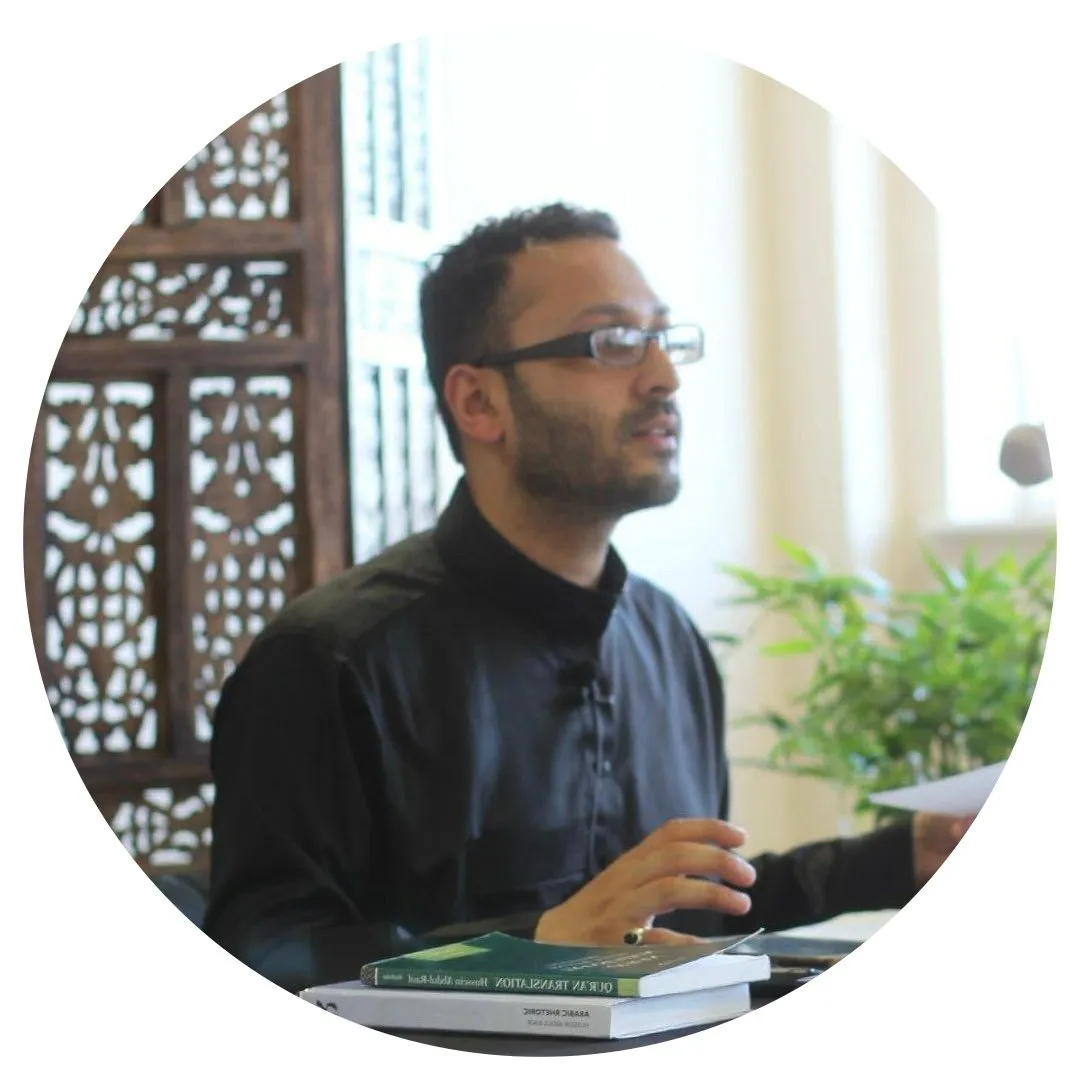
Dr Shaykh Safaruk
Instructor
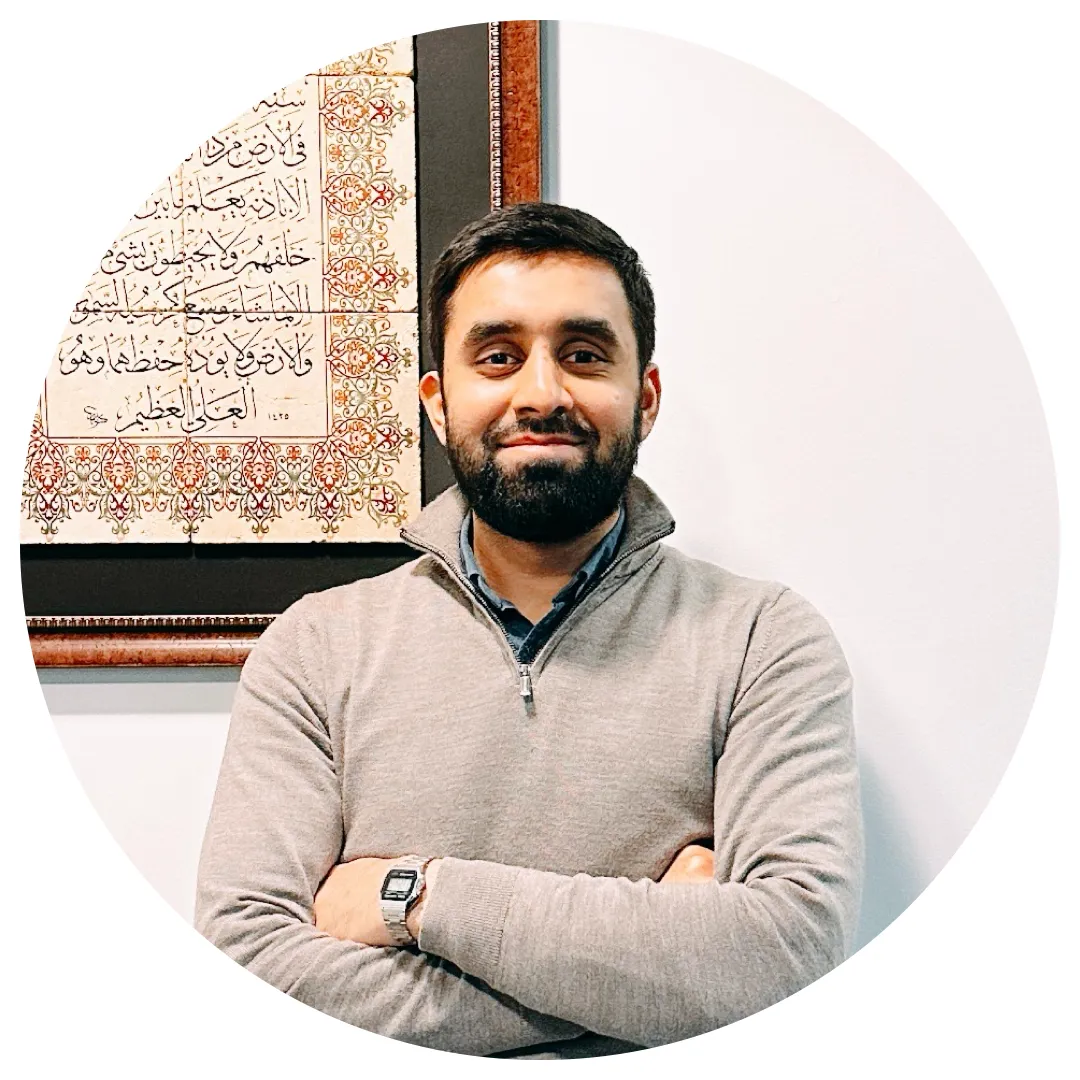
Ustadh Ibrahim
Course Coordinator
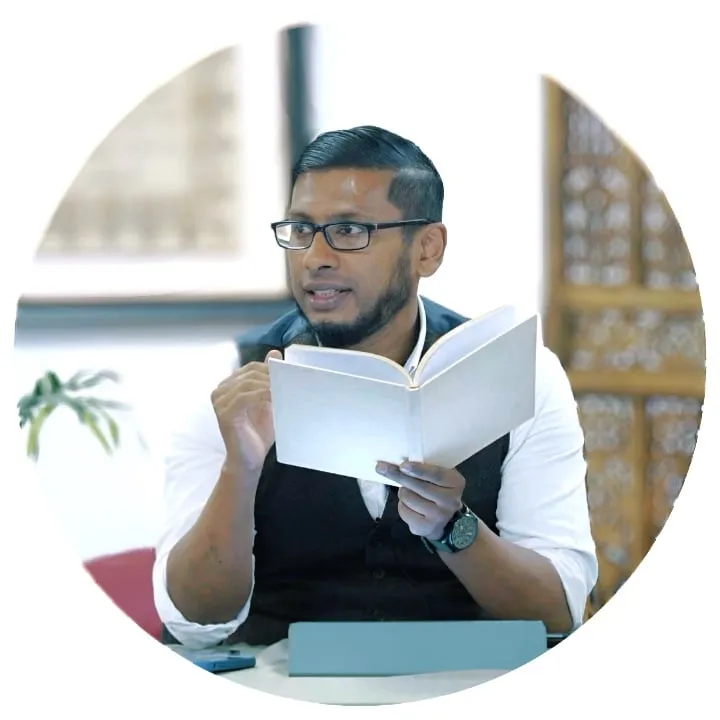
Mufti Moinul Abu Hamza
Instructor
Instructor Information
Mufti Monul Abu Hamza
Mufti Moinul started his journey in Egypt in Hifz and Qira'ah privately with Shaykh Khaled from Al-Azhar and then he passed his exams in Qira'ah and Hifz at Ma'had Ma'sarawi with high grade. He also studied Arabic Grammar, Morphology and Rhetoric at Dar Al-Arabiyyah Egypt with Shaykh Ahmed Aljendy. Upon his return, he was awarded his Alimiyyah Qualification under the tutelage of Sheikh Akram Nadwi at the Al-Salaam Institute, London which is authorised by Dar Al-Uloom Nadwatul-Ulama, Lucknow, India. He then graduated in his Takhassul fil Ifta at Darul Iftaa Birmingham under the tutelage of Mufti Tosir. Mufti Moinul then travelled again and attained Ijazaat from the following shuyoukh in Al-Maghrib from the cities of Rabat and Fez, and then Ijazaat from scholars from Makkah Al-Mukarramah and Madinah Al-Monawara.
Shaykh Safaruk Z Chowdhury
Ph.D. in Islamic Studies. Area of study: Sufism, SOAS, London, UK. M.A. Islamic (distinction). SOAS, London, UK. B.A. Philosophy. Kings College London, London, UK. A.K.C. Associate of Kings College. Christian Theology. King's College London, London, UK. Diplo. Arabic, Ministry of Education, Cairo, Egypt. Accrediting body: Wizarat al-Ta’lim.
Ustadh Ibrahim Haider
Ustadh Ibrahim works in Business Development and Strategy with a BSc Honors in Actuarial Science. Currently working towards his Alimiyyah, he is a keen student of the Islamic Sciences, Islamic Revivalist thought and Tazkiyyah, with the conviction that they are integral in bringing about solutions for the Ummah. He is involved in youth projects, runs his local madrasah and is a passionate teacher of the Islamic Sciences and Critical Thinking at the Quran Academy and Global Madrasah.